
Walk the tea trails of Sri Lanka
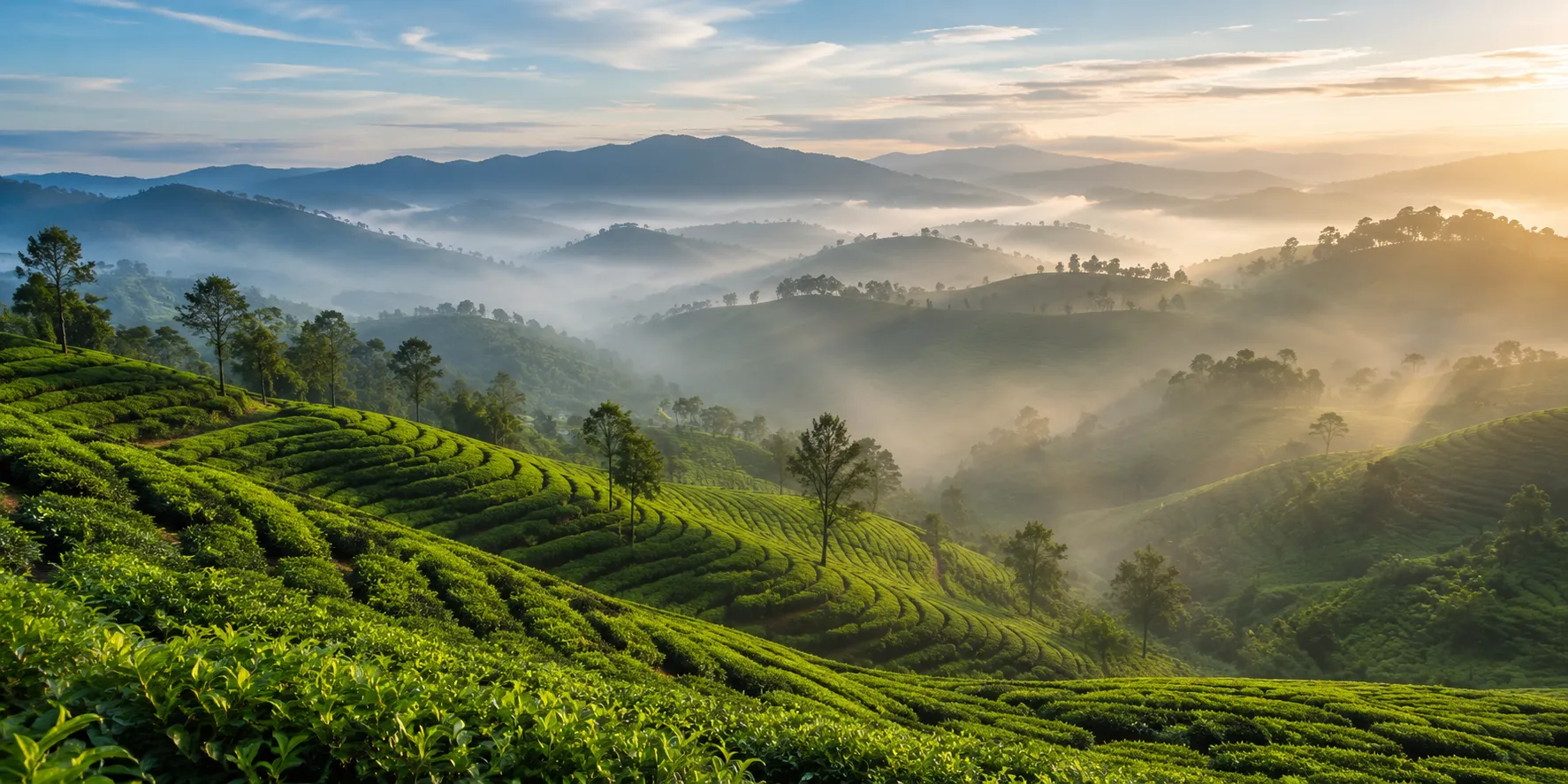
Climb into Sri Lanka's central highlands and the whole country seems to exhale. The air turns cool and clean, the light goes soft and silver, and in every direction the hills roll away in endless waves of tea — hedge-neat, impossibly green, stitched with narrow paths worn smooth by generations of pickers. This is Ceylon tea country, and it's one of the most beautiful walking landscapes on earth.
You don't need to be a tea expert to fall for it. Come for the views, the cool mornings and the slow train rides, and you'll leave understanding why Sri Lankans call this "green gold" — and why a proper cup, sipped at the estate where it grew, tastes like nothing from a supermarket shelf.
Nuwara Eliya — Little England in the clouds
At nearly 1,900 metres, Nuwara Eliya is the highest town in the country and the polished heart of tea country — all colonial bungalows, clipped gardens and morning mist. Estates like Pedro, Mackwoods and Damro Labookellie open their doors for tours and tastings, best in the morning when the factory floor is humming. Finish with a proper high tea and you'll see why they call it "Little England."
Ella — tea, trains and easy trails
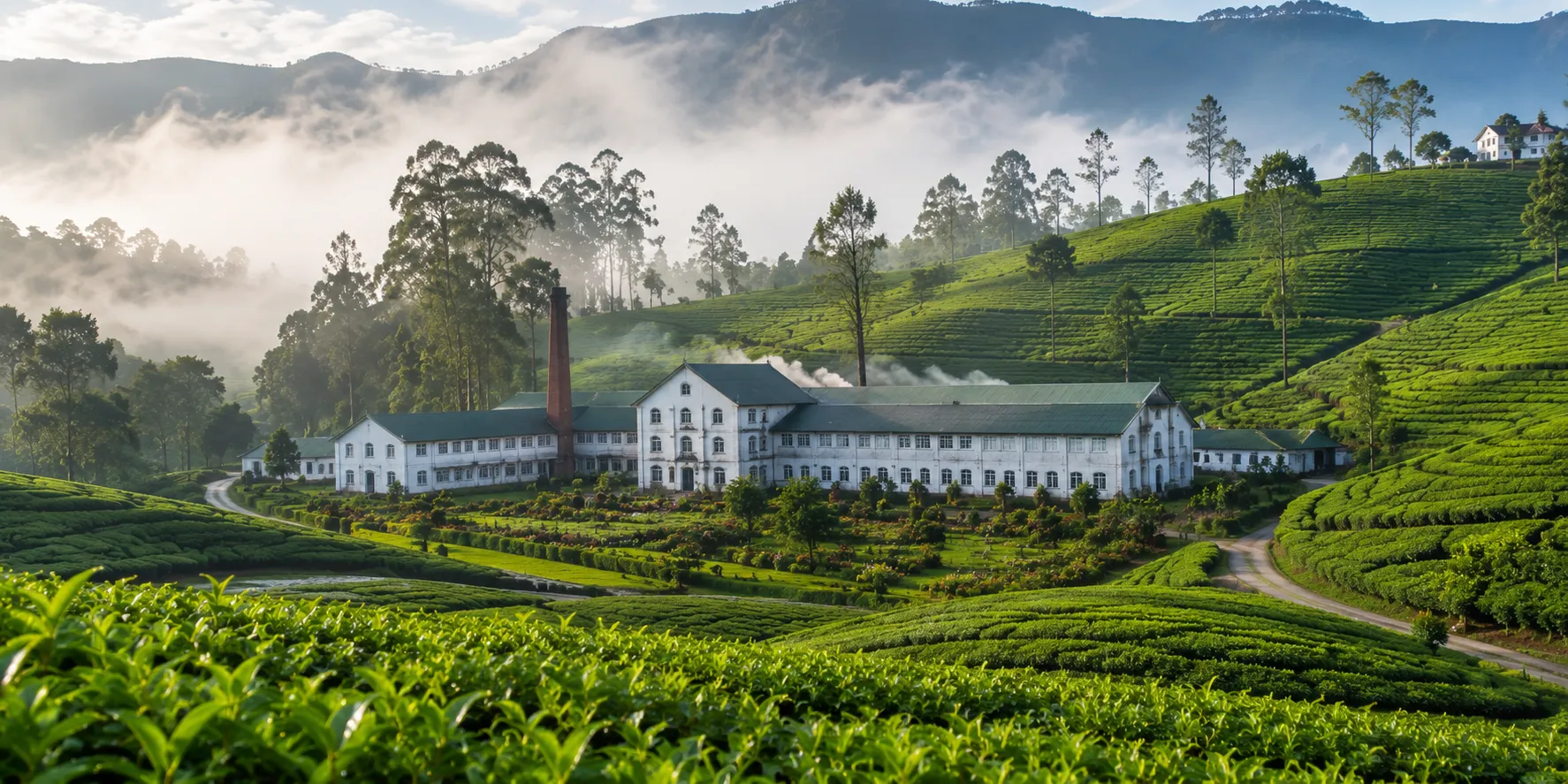
Relaxed, green and endlessly photogenic, Ella is where most travellers slow right down. Terraced estates cascade down every hillside, the Halpewatte factory near town explains the whole process over valley views, and gentle walks to Little Adam's Peak or the Nine Arch Bridge deliver big scenery for little effort. It's tea country at its most welcoming.
Haputale & Lipton's Seat — the view that built an empire
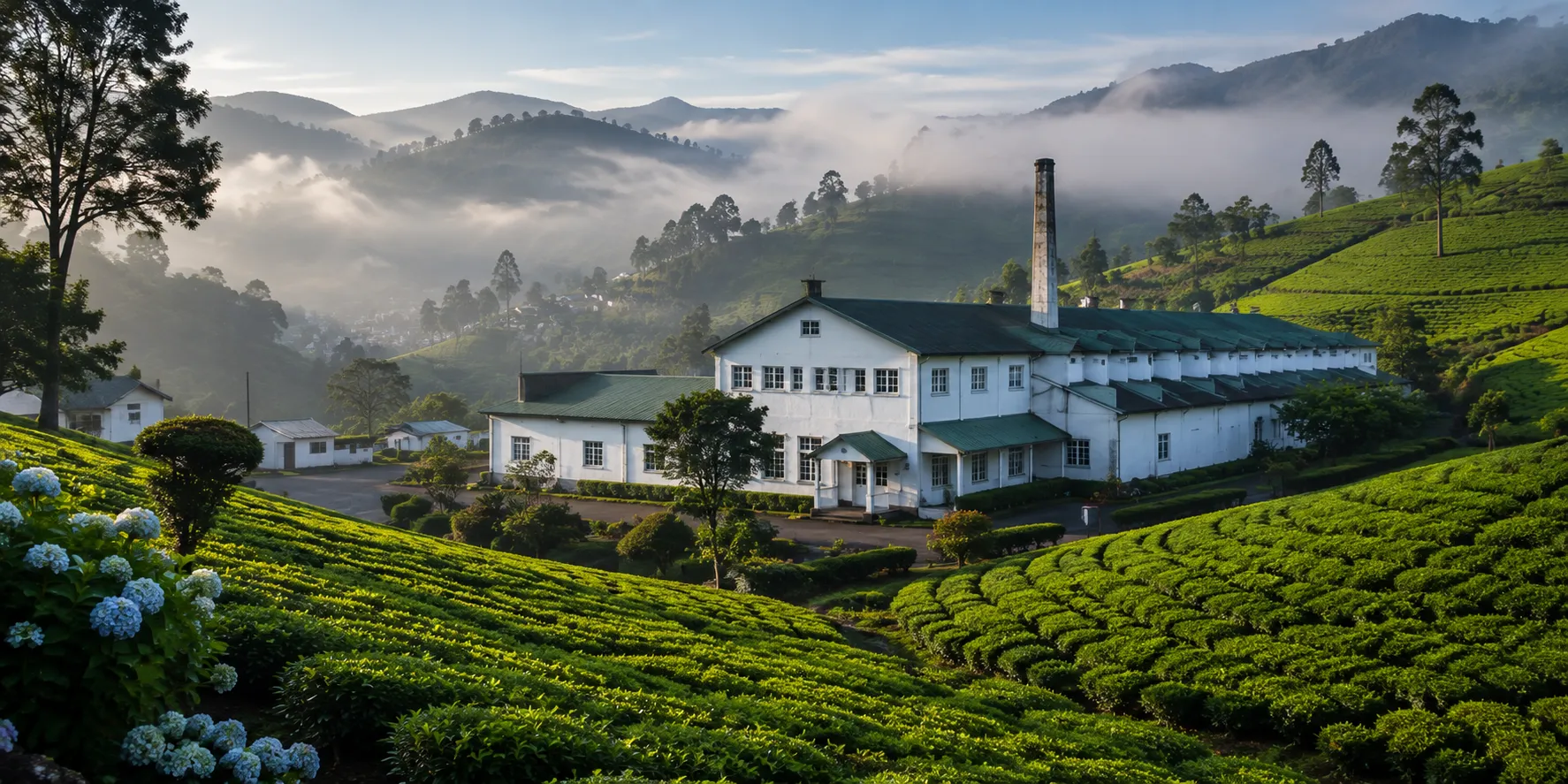
Quieter and more dramatic than its neighbours, Haputale clings to a ridge with plantations tumbling away on both sides. Wind up to Lipton's Seat, where tea baron Thomas Lipton once surveyed his estates, and on a clear morning the view stretches for miles. Nearby, the Dambatenne factory he built in 1890 still runs on much of its original machinery — a living piece of tea history.
The higher you climb, the lighter the leaf — altitude you can taste in the cup.
Walk the Pekoe Trail
The newest reason to lace up your boots: the Pekoe Trail, a long-distance walking route of more than 300 kilometres that threads the highlands together, linking Kandy, Hatton, Nuwara Eliya, Haputale and Ella along old estate roads, footpaths and railway lines. You don't have to walk it all — each stage is a manageable day, and even a single section rewards you with tea fields, forest, viewpoints and villages far from the crowds.
Good to know: Highland weather turns quickly — pack a light fleece and a waterproof, and start walks early for the clearest views.
From bush to cup
Ceylon tea has been grown here since a Scottish planter set out the first bushes near Kandy in the 1860s, and the craft has barely changed: pluck, wither, roll, oxidise, dry. On a factory tour you'll follow that journey from fresh green leaf to the grades that fill the tasting table — and discover that altitude shapes everything, high-grown teas turning light and delicate, lower estates near the coast brewing bold and brisk.
The people behind the leaf
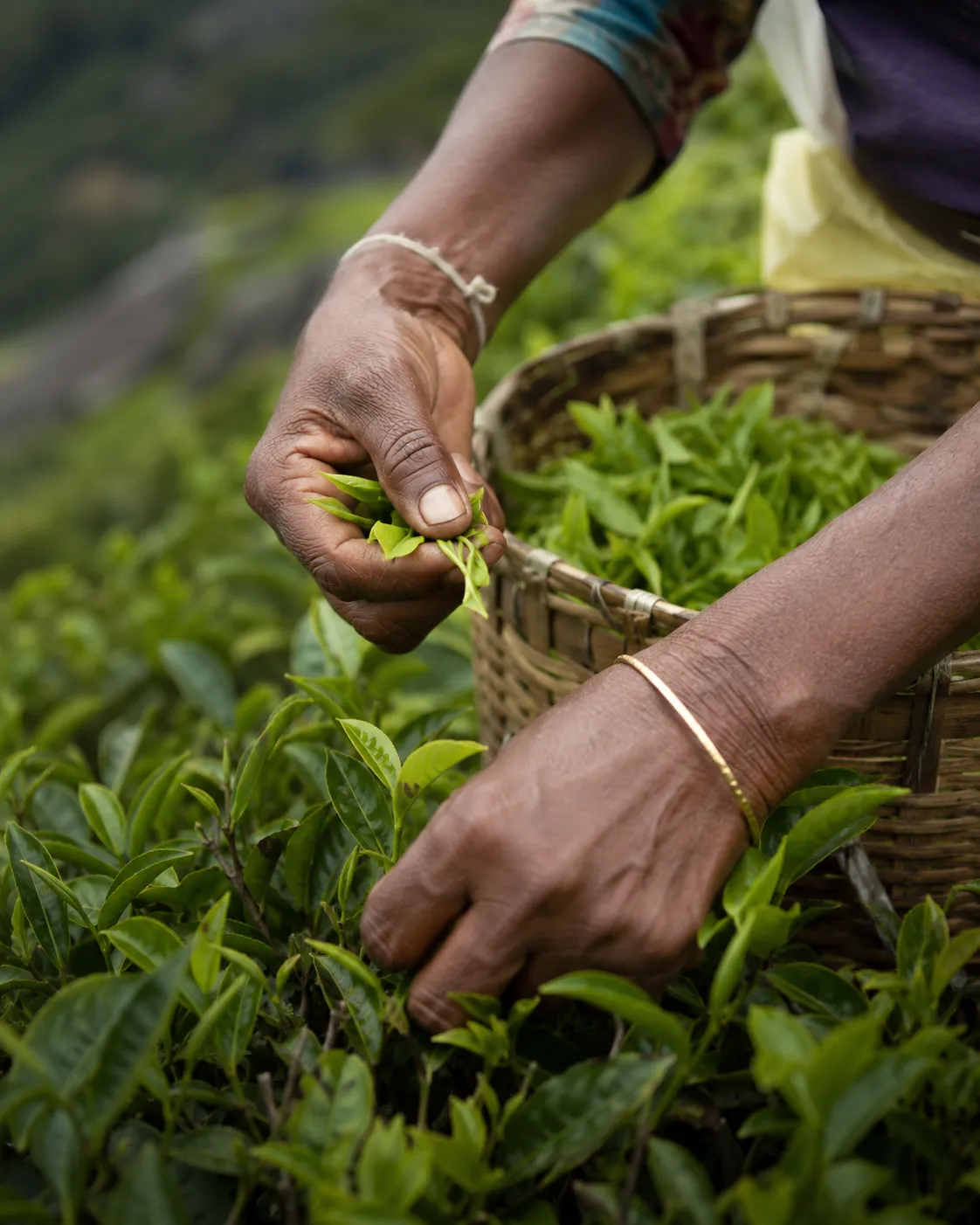
Sri Lanka is one of the few places where tea is still plucked entirely by hand, and the estate communities — many with roots in Tamil Nadu — have carried this work for generations. The most rewarding visits are the ones that tell their story too. Ask before photographing anyone at work, stay on the permitted paths, and choose tours and stays that put something back into the community.
Tea country in three frames
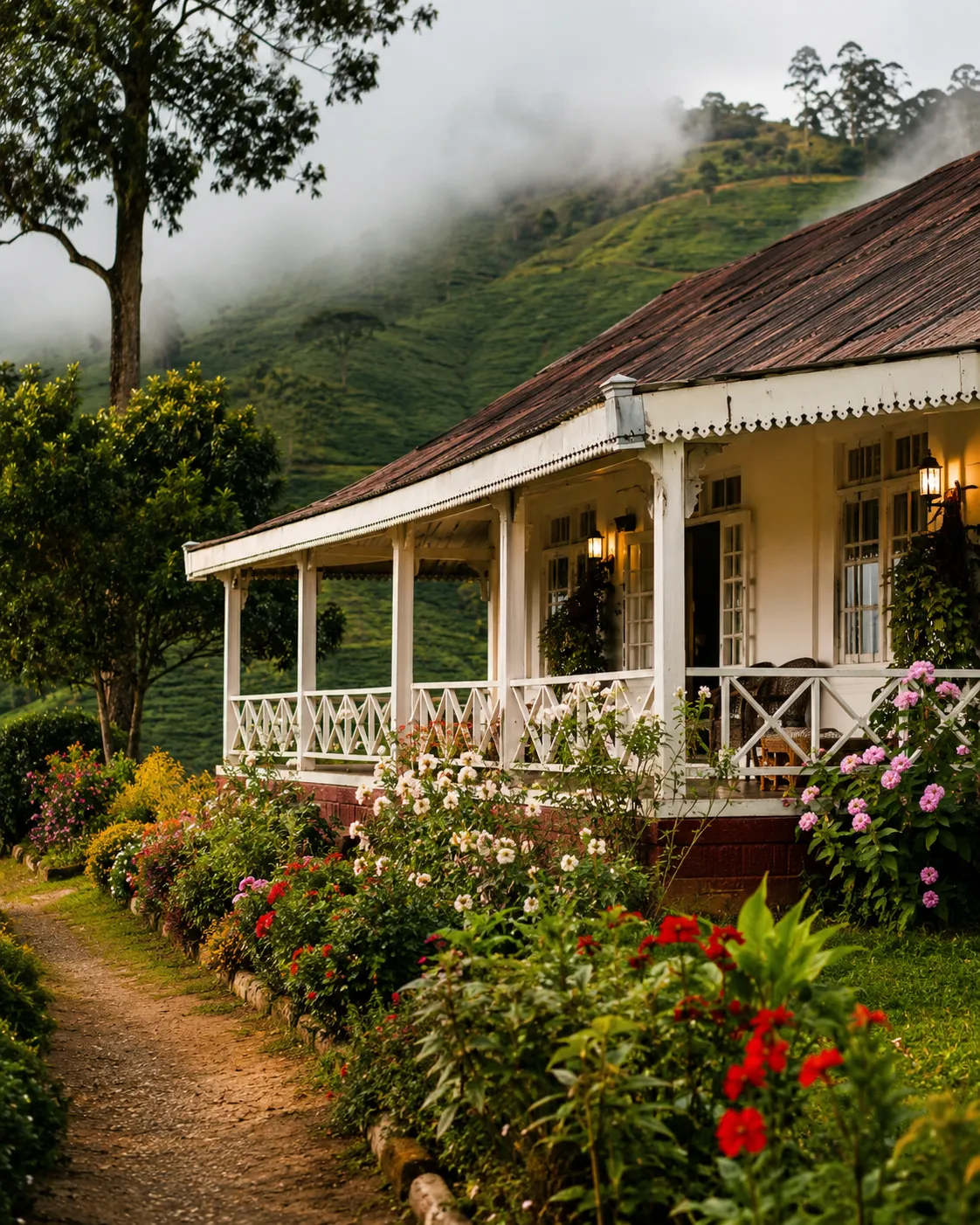
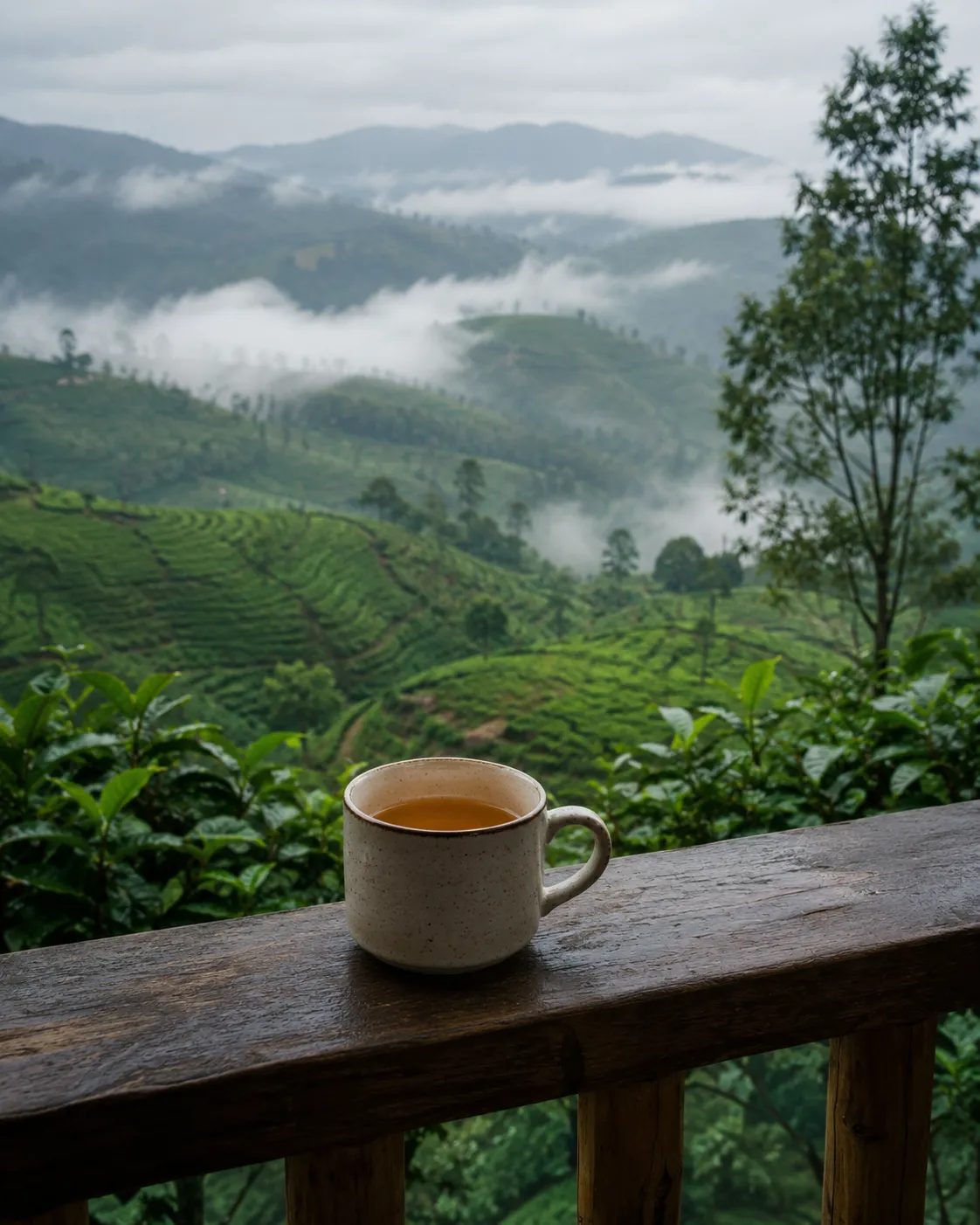
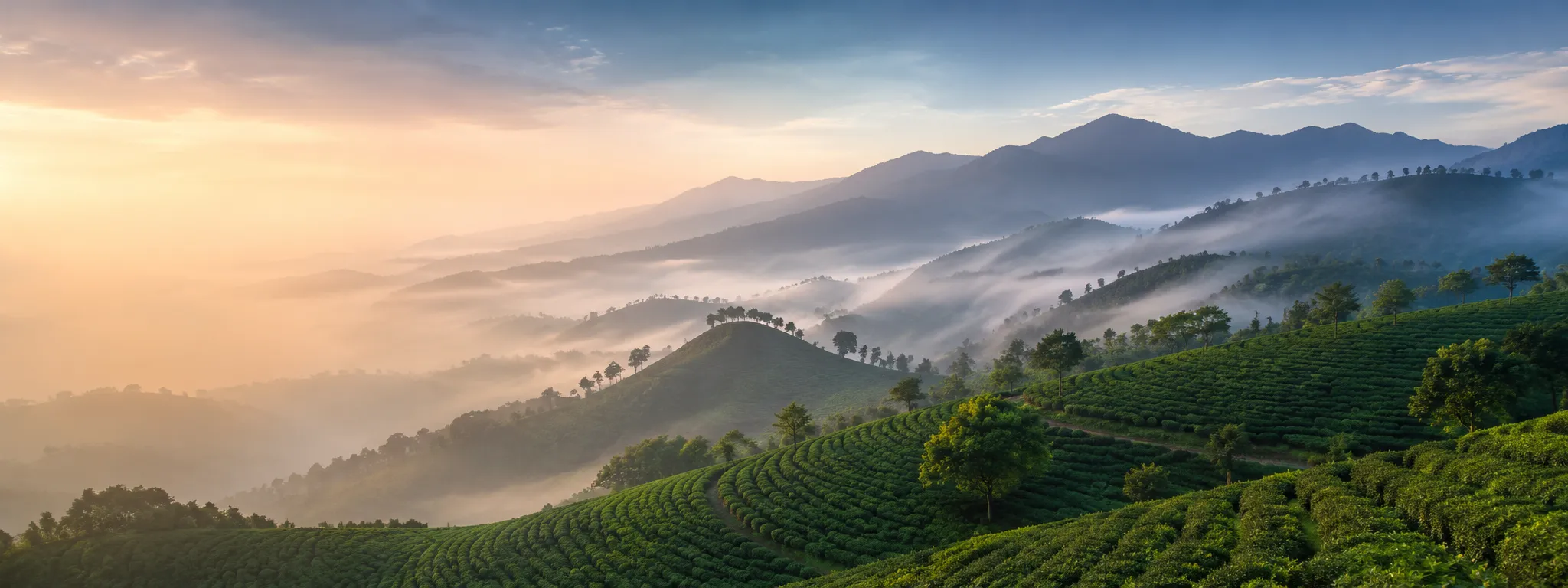
Bring the hills into your plans
Book tea-country stays, factory visits and scenic transport across the highlands on SriLankaX — reserve online with a small fee, and settle the rest directly with your host.
Free cancellation within 24 hours of your reservation.